
Learn to Let Go | How to Overcome Problems in Retriever Training
One of the most exciting moments any diy retriever trainer can have is their first successful retrieve with a dog they trained all by themselves. That moment is truly hard to put into words. In that defining moment, all the hard work culminates in the first of many successful retrieves. Anyone who begins training a dog to hunt starts with this hope in mind. Yet this very hope often leads to tremendous stress and frustration. When that frustration happens, many first-time, second-time, and even third-time hunting dog trainers find themselves spiraling into a vicious cycle that is hard to escape.
Why Trainers Get Stuck
The problem isn't the vision that an individual has. In fact, a clear vision is the first place any retriever owner should start if they want to be successful in training their dog. The threats to that vision are what become a problem. How a person responds to those threats will determine whether they move forward in training with ease or get stuck in a tough cycle.
Let's say you have a puppy and your plan is for it to be hunting with you by next fall. You've done your research, and it looks like that goal is reasonable, and you have zero doubts you will hit it. You are using Cornerstone Gundog Academy to train, and the first few weeks are going amazingly. You're on the mountain top. But, there's a little problem you weren't aware of until your first time retrieving with your pup. You find out it has absolutely ZERO interest in chasing a wing, a tennis ball, or anything else you can throw. It just goes out, sniffs it, and returns, waiting for the next treat. It's at this moment, for the first time, that your dream is now uncertain. This eye-opening experience has shattered your hopes and dreams, and now it's all about salvaging your dream.
This scenario is extremely common. While the details may vary by dog and trainer, the feeling of uncertainty is shared by all retriever owners. Take this truth to heart... at some point, a perceived threat can sidetrack your goals for your dog. This may even happen at multiple points on your dog training journey.
Your response to these perceived threats will determine whether you end up stuck like most people or thriving. Let's start with how not to respond first.
How Not to Respond When Things Go Wrong
One of the first things we do as people and trainers when we perceive a threat is enter preservation mode. Our senses are up, and now we must respond. In essence, our fight-or-flight kicks in, and we plan to take charge to fix the problem. There's just one problem with that. When we enter this mode, we begin to fixate on the problem, and everything else gets a little fuzzy. That means we no longer see the full picture. That means you have less information to make decisions with.
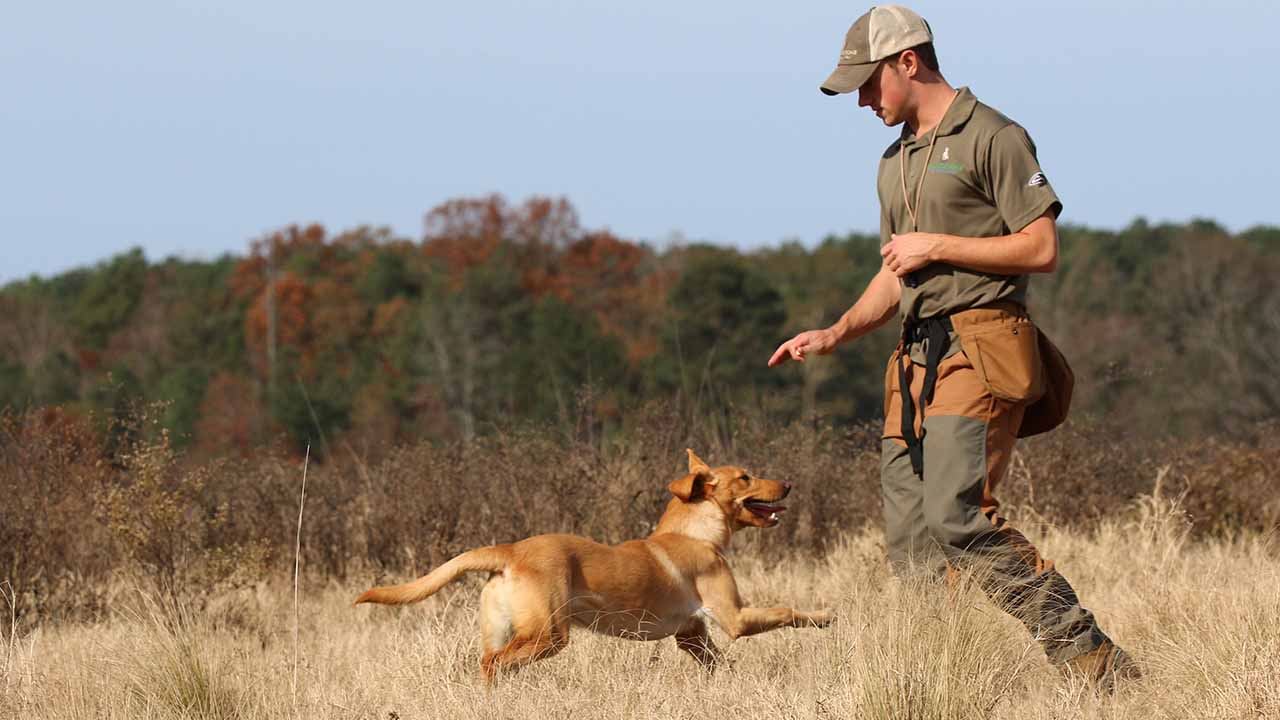
When you run into a problem with your dog, here are some ways you shouldn't respond...
- Try to control the outcome
- Tighten down your response and become more rigid
- Start trying to force your dog through this barrier
If you do these things, you are greatly increasing the risk of making the problem worse, not better. Instead, there are better ways to respond.
How to Respond When Things Go Wrong
Now that you know what happens when things go wrong, let's look at a better way to respond. One of the first things you can do strategically as a trainer is create distance between the problem and your dog. When you are too close to the problem, you have limited visibility. When you create distance between you and the problem with your dog, you allow yourself to gain perspective you wouldn't otherwise have.
So instead of attacking the problem head-on, you can note it and then work on something else. This will defuse the situation and help cool heads prevail.
When you run into a problem with your dog, here are some ways that you should respond...
- Focus on daily wins and things your dog can do well
- Let go of the current problem and work on something else
- Focus on connecting with your dog and building a stronger bond with your dog
- Ask yourself the question: "How can I help my dog win today?"
When you shift your focus to what your dog can do well, you are ensuring that you avoid the trap that so many retriever owners fall into. Instead of getting sucked into a losing battle, you can end up circumventing it altogether.
When to Revisit the "Big Problem"
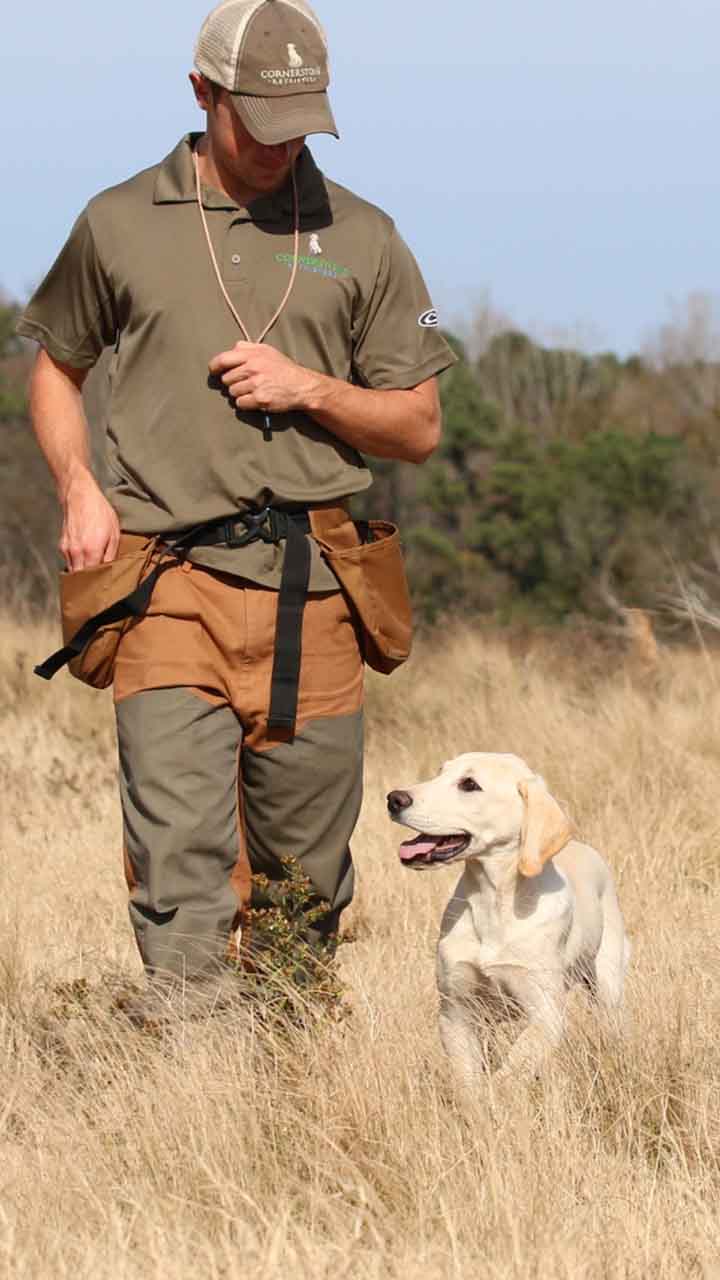
Once you face a problem and take the right steps to avoid making it worse, there will be a time when you have to face it again. When that happens depends on a couple of things. First, how bad was the problem? As in, did the dog have a very bad and memorable experience, or was it just a quick thing that you moved on from and your dog wasn't really impacted by it? Second, how has training been going since, and what confidence level would you say your dog is at right now?
You wouldn't want to revisit a problem the next day if your dog was shaken up by it. You also wouldn't want to revisit a problem if your dog lacked confidence in the everyday training it is normally good at.
Instead, wait until enough time has passed and your dog seems confident and connected to you. When you have this level of rapport, you can afford to push the boundaries again without impacting your dog too much. Most of the time, if you have handled it right, when you revisit the problem, it smooths out quickly. As you may have noticed, there is a lot of gray area here. That is why, when you face a problem, it is 100% best to do it with someone by your side. Not just anyone though, you need people who understand and care about you.
Train With People Who Care and Will Help You
Community is an area where Cornerstone Gundog Academy shines. When you face a problem, you have people who care in your corner. In the CGA app, you can easily post about a challenge or struggle with your dog, and in a short time, a variety of awesome community members will jump in to support and encourage you.
The scenario above is an example of when you need help. Oftentimes, training requires experience and finesse. That's where a community like CGA can really help out. You can tap into wisdom and experience that would normally take years and many mistakes to acquire. This ensures you have better odds of helping your dog overcome the problem at hand and ultimately end up with a dog that makes you proud in the field and at home.
How to Get Started
You can get started in two ways, depending on whether you are a CGA member. If you are a member, you can log in here to ask a question and connect with the community.
If you aren't a member, then you can follow our three-step success plan below.
1. Buy Now
2. Follow the Videos
3. Train an Outstanding Retriever
BuildFromHere,
Josh

Not Sure What To Do With Your New Puppy?
Check out some of our best advice. It's free to the new puppy owner.


