
Retriever Training: Embracing the Ups and Downs
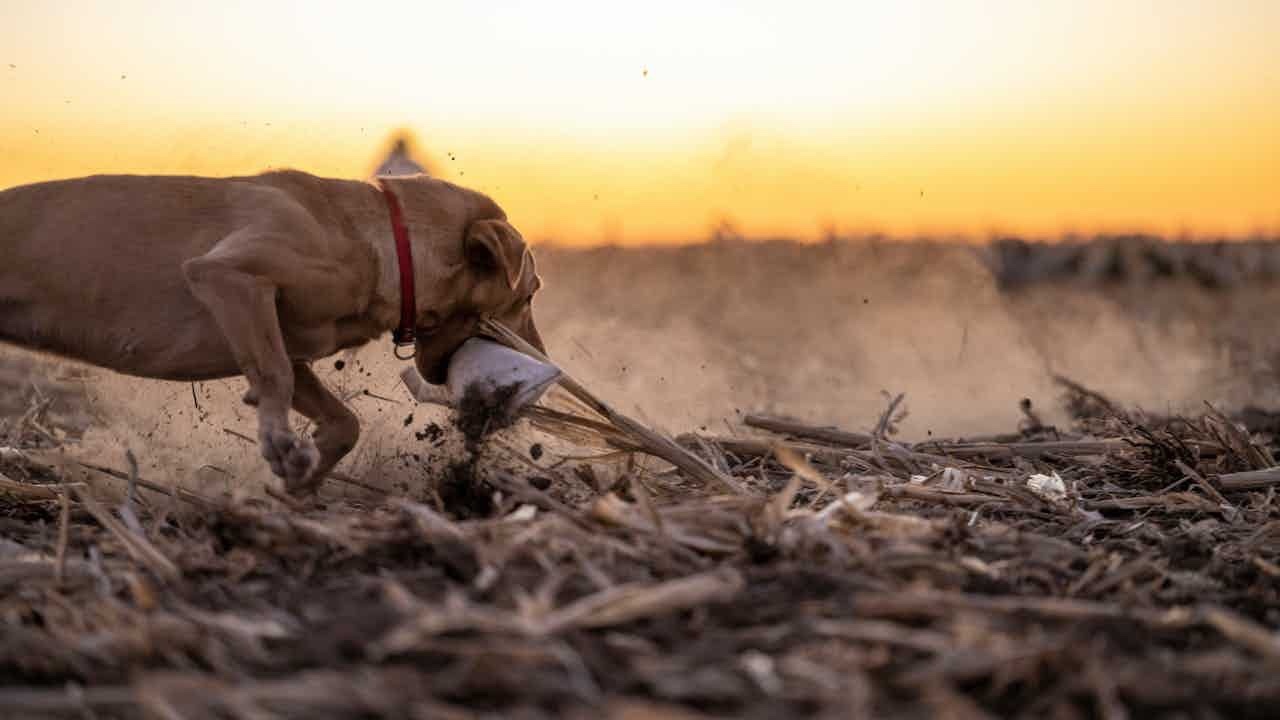
We all want to see our gun dogs make progress. There’s nothing quite like witnessing your dog complete a challenging retrieve that just a short while ago seemed impossible. Early on, progress often comes quickly with a young puppy; they’re eager to work for food, and their minds are like sponges. However, as they grow older and formal training begins, you might notice that progress slows down, sometimes even hitting a few bumps along the way. This is completely normal for all retriever breeds.
Expecting Variations in Training Progress
Every retriever breed matures at its own pace. For instance, Chesapeake Bay Retrievers might not reach the same level of readiness as Labrador Retrievers by six months of age. Even within Labradors, you’ll find variations in maturity levels, which can affect training progress. Sometimes, we might expect one dog to progress as quickly as a previous one, but this expectation can lead to frustration and create a training slump.
As trainers, the sooner we ...
Building a Strong Bond with Your Retriever: The Key to Effective Training

When it comes to training your retriever, it’s tempting to maximize every moment with structured activities and sessions. After all, our goal is to mold them into exceptional hunting companions. But, while it’s crucial to focus on training, equally important is nurturing a strong, trusting bond with your dog.
Why Bonding Matters
Training is just one aspect of a successful partnership with your retriever. Building a strong relationship outside of training sessions is crucial for fostering trust and cooperation. You might feel that focusing on the bond seems less productive, but these moments are vital for developing a loyal and enthusiastic partner.
Effective Ways to Bond with Your Retriever
Here are some of my favorite bonding activities that can strengthen your relationship with your retriever:
-
Long Walks: Take your dog for a leisurely walk off-lead in a safe, open area. Reward them with praise and treats for quick recalls and let them explore freely.
-
Patio Time: Spend t
...
How to Avoid Common Mistakes and Make the Most of Your Retriever’s Training
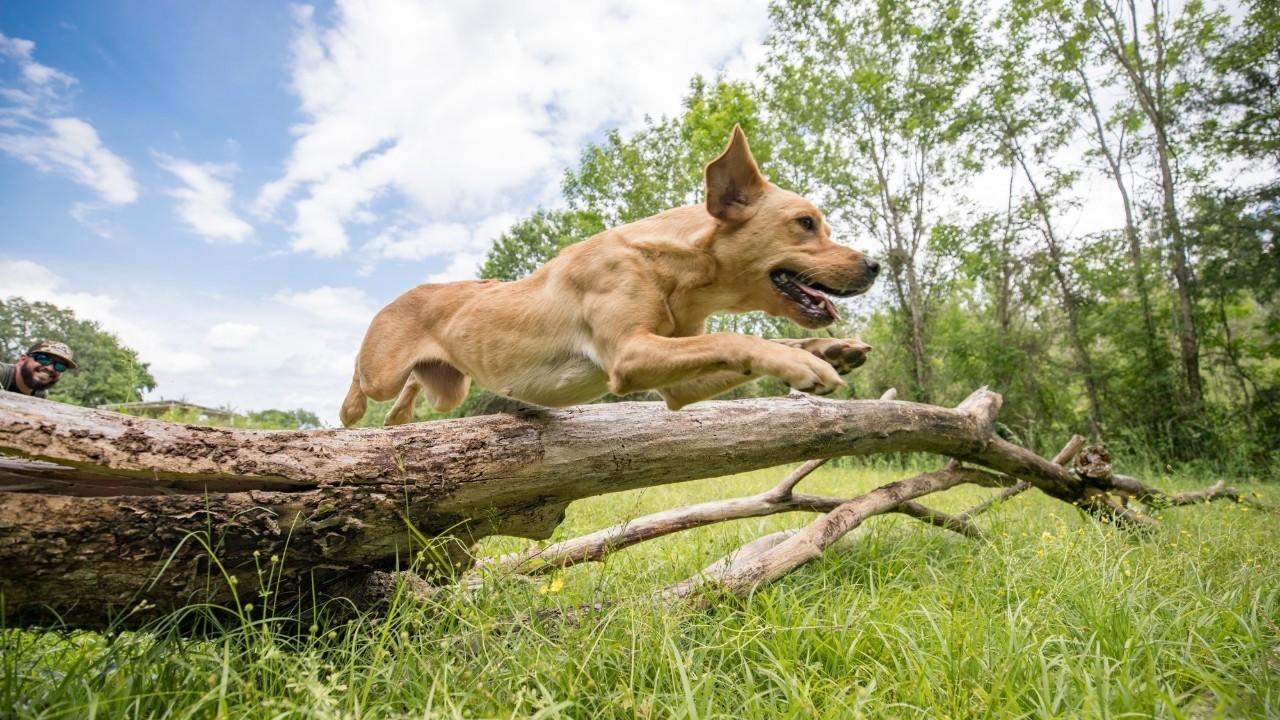
As a retriever owner, you might worry about one major concern: "What if I accidentally mess up my retriever’s training?" If that thought has crossed your mind, you’re not alone. Owning a great hunting dog and family companion requires careful attention, especially when it comes to playtime. Many people wonder what’s okay and what’s not, leading to fear and hesitation.
This fear of making mistakes can leave you feeling helpless when your pup starts acting out. You know you should do something, but the fear of creating bad habits might hold you back.
Sound familiar?
It can feel like a frustrating situation that you hope will just resolve itself. But here's the good news—it's not a helpless situation.
Turning Challenges into Opportunities
When your pup begins to act out, it’s an opportunity to shape and mold it into the gundog and family companion you want. The key is knowing what to do. The right approach can benefit you for years to come, while the wrong one could create future hea...
When to Start Training a Duck Dog
One of the most common questions we hear from new duck dog owners is, "When should I start training my duck dog?" and "How do you train a dog to duck hunt?"
The advice often given is to start training at around six months old, but if you wait until then, you may miss out on the most valuable time to shape your future hunting companion.
When Should You Start Training Your Duck Dog?
The best time to start training your duck dog is as soon as you bring it home—typically around eight weeks old. This might seem early to some, but beginning training during this period allows you to establish a strong foundation that will make advanced training much easier later on.
Many professional trainers won't accept dogs younger than six months, which is why some believe that's the best age to begin. However, by starting early, you can utilize your puppy's most formative months, ensuring it grows into a skilled retriever and a well-behaved family pet.
Why Start Training Early?
At around eight week...
How Cold is Too Cold for Your Dog to Hunt?
How Cold is Too Cold for Your Dog to Hunt?
One of the most common questions we hear is, “How cold is too cold for my dog to hunt?” There isn’t a single answer for everyone. It’s important to think about several factors. These include wind chill, the actual temperature, and the day’s overall conditions.
When temperatures drop close to freezing, your dog faces more risks. However, with the right precautions, you can keep your dog safe during cold-weather hunts.
Here are three key strategies to help ensure your dog stays warm and healthy during those frosty days in the field.
1. Keep Your Dog Dry and Out of the Wind
Nothing will chill your duck hunting dog faster than being wet and exposed to strong winds. Minimizing exposure to these elements is essential to keep your dog safe and focused on the hunt. One of the best ways to do this is by using a dog blind or building a dog box into your hunting blind. These solutions can protect your dog from the wind and provide a dry space to res...
Choosing the Best Dog Stand or Blind for Your Next Hunt
As you prepare for your upcoming hunt, you’re probably thinking through all the gear you need to ensure success. As the designated “dog person” in your group, it’s essential to set your dog up for success by selecting the right stand or blind for the environment you’ll be hunting in. Here’s a guide to help you make the best choice for your hunting scenarios.
Dog Stands & Blinds: What to Consider
There’s a wide variety of dog stands and blinds available, each suited to different hunting environments. Whether you’re in the timber or out in the fields, choosing the right gear can make all the difference for both you and your dog.
Timber Hunts
In timber, visibility is key. Your dog needs to see clearly to respond to your commands and spot downed birds. Open stands are usually the best option in this setting. Here are a few stands to consider:
These stands offer great stability and visibility, but each has its str...
Finding the Right Space to Train Your Retriever—No Acres Required
Training a retriever is a rewarding experience, but if you’re considering taking on the task yourself, you might wonder, “Do I have enough land and water to train my dog successfully?” The good news is, you don’t need vast expanses to make it happen. With some creativity and resourcefulness, you can make the most of the space you have.
How Our Members Train in Varied Environments
At Cornerstone Gundog Academy (CGA), our members hail from diverse environments—rural, suburban, and even urban areas. Despite these differences, they consistently train their dogs to be top-notch hunting companions. Whether in an ideal setting or not, our members find ways to get the job done. Here’s how a few of them approach finding places to train:
-
Tyler, from Washington, D.C. uses Google Maps to locate training areas. He trains during the week in a national park field and drives 1-2 hours on weekends to spots where he can set up more complex drills.
-
Luke, who moved to a new town, scouts parks
...
Ensuring Your Dog is Ready for the Upcoming Hunting Season
As hunting season approaches, many waterfowlers with new or young retrievers ask themselves, “Will my dog be ready for this hunting season?” Your retriever's first hunt is crucial—get it right, and you'll set the foundation for a successful hunting partnership. But how can you tell when your dog is truly ready to hunt?
The answer lies in ensuring your dog has developed the right skill sets and is mature enough to handle the hunt. With hard work and dedication, your retriever will be prepared.
Essential Skill Sets for a Successful Hunt
Your dog should be proficient in four key areas before hitting the field:
- Basic Obedience
- Intermediate Obedience
- Advanced Obedience
- Basic Gundog Skills
Each of these categories encompasses a range of individual skills, but let's focus on three critical ones that you should polish as hunting season nears. If your dog hasn't mastered the foundational skills, it's crucial to start there before moving on to these advanced tasks.
Three Critical Sk...
The Key to a Driven Yet Focused Retriever: Mastering Details and Distractions
One of the most prized qualities in a top-tier retriever is the ability to maintain unwavering focus, even in distractions. A retriever that is both driven and controlled can excel in any situation, making your hunting experience more enjoyable and successful.
While there are many ways to improve your retriever’s focus, two key strategies can have a significant impact: drilling in on the details and training for every possible situation.
1. Focus Starts with You: Master the Details
In many of my posts, I emphasize the importance of details—and for good reason. Without attention to detail, life can feel mundane. It’s the details that add richness and depth to every experience, and the same is true when training a waterfowl retriever.
When it comes to maintaining your retriever’s focus, success is always in the details. But what does that mean in practice?
Are you truly paying attention during training?
Consider the following: Are you observing your dog’s body language? Are you notic...
Unlocking Your Retriever's Natural Drive: Tips for Encouraging a Reluctant Pup
As retriever owners, we all dream of a dog with a natural, unstoppable drive to retrieve. It's one of the first things we test when we bring home a future hunting companion—does this pup have what it takes to retrieve in the field? But what happens when your dog seems uninterested in retrieving? It can be disheartening and leave you wondering, “Will my dog ever turn out?”
Whether your pup is seven weeks or seven months old, there may be times when it loses interest in retrieving. For a dog owner planning to hunt, this can be a significant concern. After all, if your retriever isn’t retrieving, what’s the plan?
But don’t worry—there are ways to bring out your dog’s natural retrieving drive, helping it reach its full potential.
1. Have Fun and Worry Less
It’s common for puppies to go through phases where their retrieving drive fluctuates. Some puppies start strong, only to lose interest around the five to six-month mark. During this stage, everything in the world is new and exciting....

Not Sure What To Do With Your New Puppy?
Check out some of our best advice. It's free to the new puppy owner.


